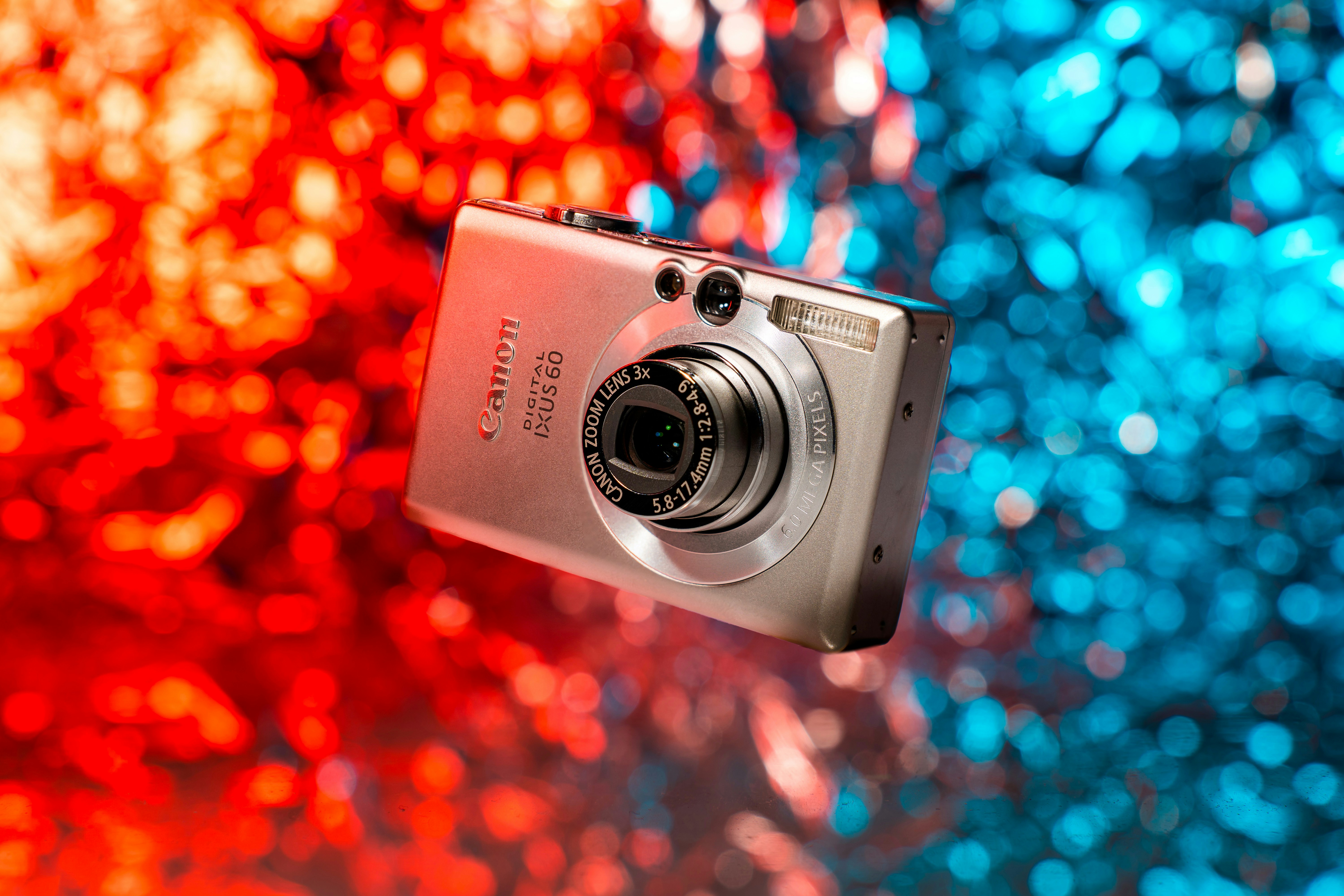
If you scroll through Instagram or TikTok today, you will notice a distinct aesthetic shift among influencers and creative professionals: Lo-Fi. The hyper-crisp, algorithmically smoothed perfection of modern smartphone photography is increasingly sharing space with slightly soft, nostalgically saturated, and occasionally imperfect images. Vintage point-and-shoot digital cameras—the exact ones that sat in junk drawers a decade ago—are back in style.
For Gen Z and younger millennials, the appeal of old digital cameras is multifaceted. Much of it stems from a desire for authenticity and a rebellion against the sterile perfection of modern technology. Early digital sensors offer a distinct "look" that feels nostalgic and warm straight out of the camera, bypassing the aggressive computational processing of modern smartphones. The harsh, direct flash typical of these early 2000s cameras has also become a highly sought-after visual style for social media.
Beyond the aesthetic, there is a psychological element: the joy of the process and the desire for digital disconnect. Using a dedicated point-and-shoot forces the user to be more deliberate. It provides a buffer—a moment to just exist and capture a memory without the immediate pressure of an auto-syncing cloud or a seamless social media upload.
The Industry Responds: New Cameras for a Retro Niche
The explosive demand for vintage point-and-shoots has not gone unnoticed by camera manufacturers. Recognizing that not everyone wants heavy interchangeable lenses, companies are leaning hard into the premium and budget compact markets. In fact, recent sales data from Japan shows that nine out of the top ten most traded new cameras are compacts.
- Modern Premium Compacts
For those who want a dedicated camera experience with exceptional quality, the premium compact market is booming. The Fujifilm X100VI continues to dominate with its stunning retro design, tactile controls, and famous film simulation modes. Meanwhile, the Ricoh GR III and newly released GR IV series are massive hits among street photographers for their pocketable APS-C sensors and rapid snap-focus operation.
- Budget Revival Picks
The entry-level market is also seeing a resurgence. Cameras like the Kodak PIXPRO FZ55 and Kodak Charmera lean heavily into the retro, point-and-shoot aesthetic, offering a dedicated camera experience with modest megapixel counts and vintage filters for well under $200.
- Embracing the Lo-Fi
Niche startups and tech companies are creating highly specialized compacts that intentionally mimic analog limitations. The Flashback One35 V2 and Camp Snap 2 have emerged as popular, budget-friendly digital cameras that strip away the rear screens entirely. This forces users to wait to see their photos, leaning heavily into a chaotic, analog-style experience without the ongoing cost of film.
The resurgence of point-and-shoot cameras proves that sometimes, in our pursuit of the highest resolution and the smartest algorithms, we lose the intangible qualities that make photography fun. Whether you’re dusting off a 2005 Canon PowerShot or investing in a brand-new retro compact, the dedicated camera is clearly here to stay.